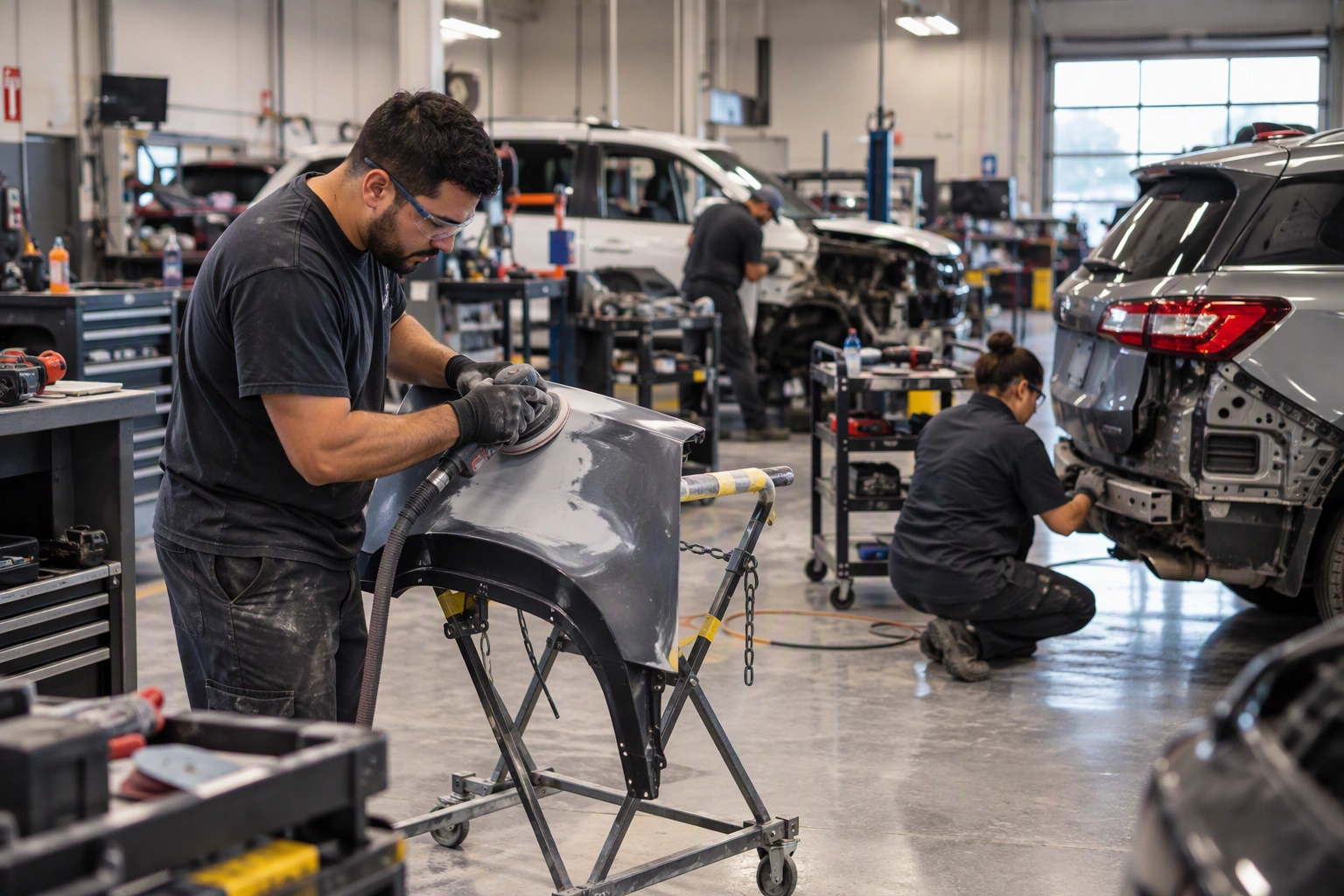
Your team completed the calibration. The sublet work got done. The additional operation was performed.
But did all of it make it onto the repair order?
Small misses can add up. Work that's completed but not captured can lead to:
- Lost revenue from operations, materials, or services that aren't billed.
- Last-minute scrambling to track down invoices or documentation.
- Additional supplements for work that could have been identified earlier.
- Slower closeouts while the team tries to figure out what's missing.
The goal isn't more paperwork. It's making sure the repair record keeps up with the repair.
Catch Missing Details Before Closeout
Waiting until delivery to reconcile a repair is too late. By then, your team may be searching through emails, tracking down invoices, or trying to remember what happened days earlier. Instead, look for gaps while the vehicle is still in the shop.
Throughout the repair, make sure your team can answer:
- Has completed work been documented?
- Have parts, materials, and other costs been captured?
- Don’t forget about on-hands supplies like fasteners and clips!
- Are sublet invoices and supporting documents accounted for?
- Have required scans and calibrations been completed and documented?
- Does the repair order accurately reflect the work performed so far?
Finding a missing item today is much easier than reconstructing the repair after the vehicle has left.
Pay Attention to the Handoffs
Details are especially easy to miss when work or information moves from one person to another.
Think about common handoffs such as:
- Blueprint to production
- Technician to estimator
- Repair facility to sublet vendor
- Production to final billing
If the same issue keeps showing up at closeout, trace it backward.
For example, if your team regularly chases sublet invoices at the end of a repair, don't just become better at chasing invoices. Ask:
- When should the invoice be received?
- Who is responsible for capturing it?
- Where should it be documented?
- Who confirms it's there before the repair moves forward?
Fixing that handoff can prevent the same issue on the next repair.
Make the Repair Easier to See
It's harder to catch gaps when repair information lives in different systems, inboxes, or conversations.
CCC® Repair Workflow helps connect repair status, assignments, completed work, documentation, and other key information so teams have better visibility into what's happening while the repair is underway.
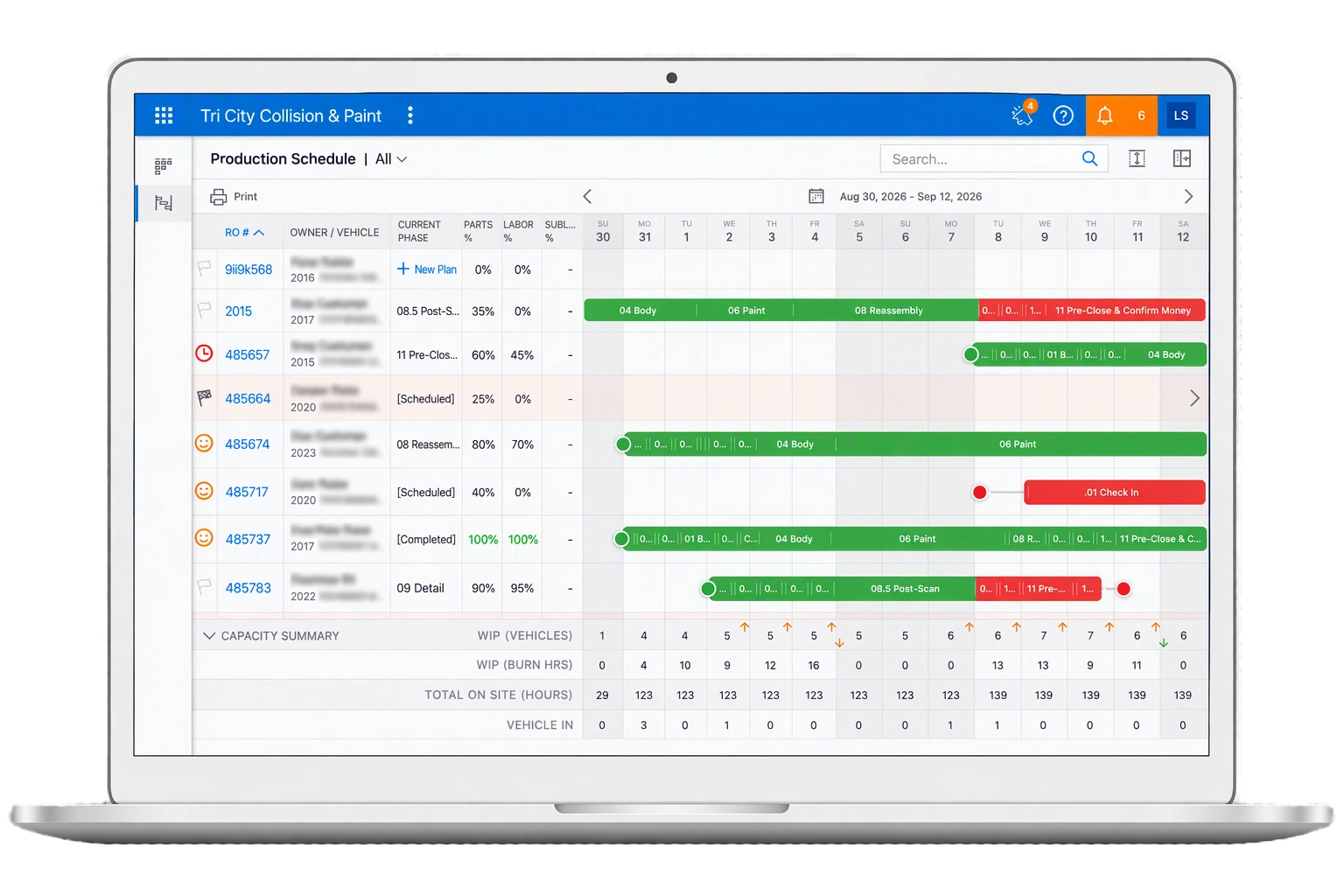
That visibility can help your team spend less time reconstructing what happened at closeout and more time addressing issues while there's still time to act.
Try This: Review Your Last 10 Repairs
You don't have to change your entire process at once.
Start with your last 10 completed repairs and look for a problem that occurred more than once:
- A late supplement
- A missing or late sublet invoice
- An operation added late in the repair
- Missing documentation
- A completed operation that wasn't immediately captured
- A delay caused by someone waiting for information
Then ask:
Where did the problem start?
Once you've identified the step, assign clear ownership for capturing that information before the repair moves forward.
Start small. Fix the repeat problem.
The goal isn't perfect documentation for documentation's sake. It's a repair process where the work performed, the costs incurred, and the repair record stay aligned.
When your team can see what's missing before the vehicle leaves, you have a better opportunity to protect revenue, reduce unnecessary follow-up, and close repairs more efficiently.