
By: Heidi Harris, Director, Solutions Engineer, CCC Intelligent Solutions
In my two decades in collision repair, I’ve seen the definition of a "small hit" change drastically. When I started in this business in the early 2000s, a parking lot fender-bender meant a quick bumper cover swap and an afternoon in the paint booth. A $1000 deductible? Never heard of her.
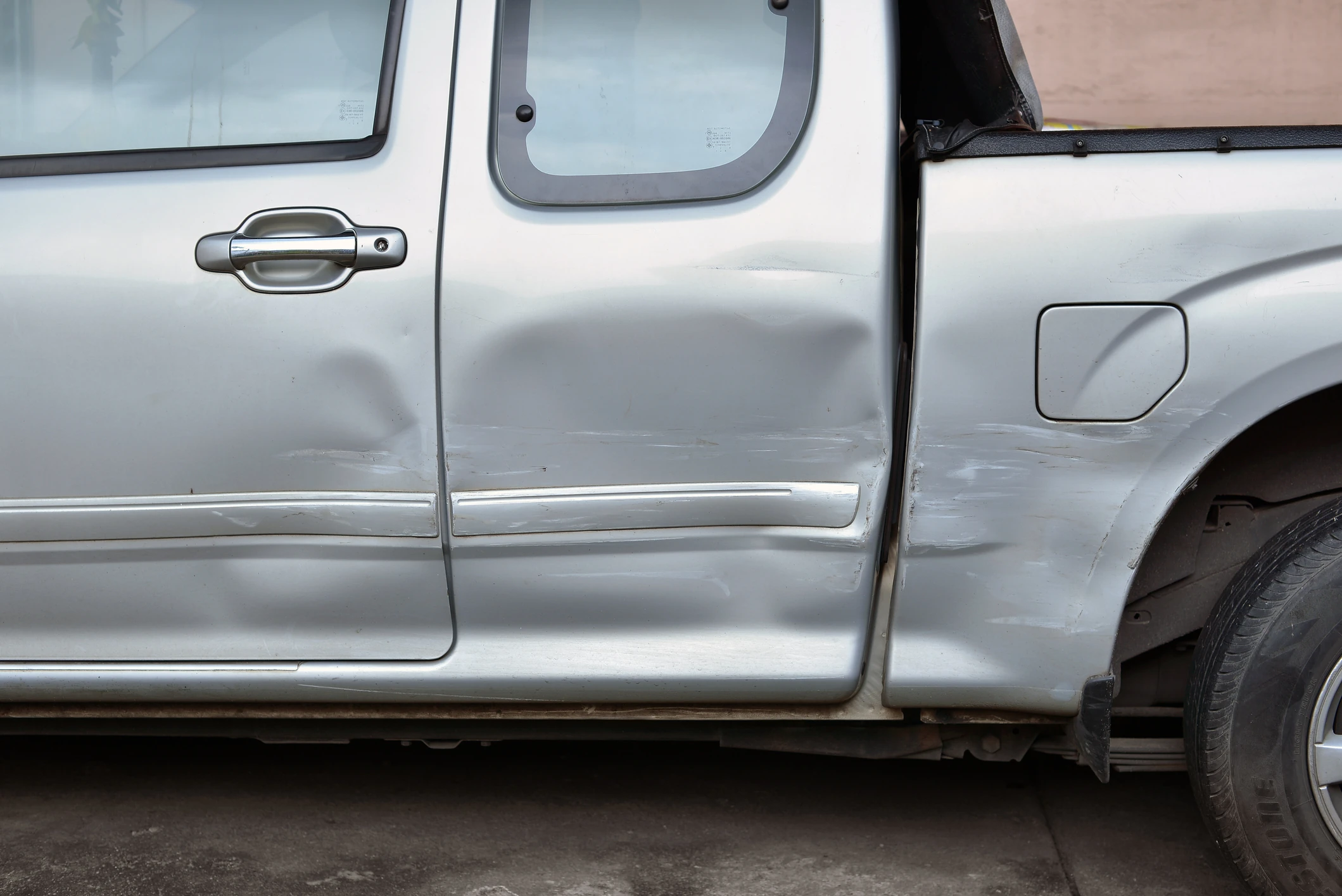
Today? Let’s be honest. A $2,500 repair is no longer a "gravy" job. It’s a cracked bumper with an embedded adaptive cruise sensor or a damaged LED headlight assembly or even a repair that requires a tri-coat blend. It is highly technical collision work. And deductibles of $1000 or higher are more common than ever.
We are facing a massive operational shift. Because of soaring deductibles and the very real fear of premium hikes, this critical segment of drivable repairs is quietly falling out of the traditional Direct Repair Program (DRP) pipeline. If we don't adapt our intake strategies to capture the "Deductible-Driven" consumer, those cars are just going to drive away.
The Data Behind the Disappearing Pipeline
To understand the size of this opportunity, we have to look at the numbers. Historically, these 'smaller' hits were the bread and butter of the shop floor. According to CCC’s Crash Course, repairable claims under $2,000 made up a massive 43% of the repair mix in 2019. But by the end of 2024, that number had plummeted to just 26%.
That missing 17% didn't just stop crashing their cars. So, why aren't these jobs showing up in the claims pipeline? The answer is hiding in the customer’s glovebox.
According to the J.D. Power 2025 U.S. Auto Claims Satisfaction Study, 44% of auto insurance claimants reported a premium price increase over the last year. To combat these record-high costs, drivers are voluntarily taking on more risk. The study revealed that 26% of all auto insurance customers now carry a deductible of $1,000 or more.
When a customer with a $1,000 deductible faces a $2,500 repair, the math is paralyzing. Between the steep upfront cost and a 'Premium Penalty' that raises rates by an average of 53% after an at-fault accident, drivers are opting out of claims. They'd much rather pay $2,500 out-of-pocket today than trigger a rate spike that haunts their budget for years.
So, what do they do? They look at the damage, sigh, and decide to just "live with it."
The Financial Bridge: Buy Now, Pay Later
Expecting a customer to cheerfully drop $2,500 out-of-pocket is like hoping a three-stage pearl is going to panel-match perfectly without a blend—it’s a nice thought, but we all know it’s not going to happen, and you have to prep correctly to get it right.
When a customer realizes they are on the hook, sticker shock sets in. This is where Consumer Financing (sometimes called “Buy Now, Pay Later” or “BNPL” for short) comes in. The data proves it: according to Auto Finance News, BNPL volume for auto repairs specifically jumped 29% over the last year, with providers facilitating billions of dollars in service loans.
By offering a customer the ability to break a $2,500 unexpected expense into a manageable 3-to-18-month payment plan right from their phone, you can remove the financial wall. With modern auto-specific financing platforms boasting approval rates over 90%, you may be transitioning a 'let me think about it' into a scheduled Repair Order.
Secure the Digital Commitment
Out-of-pocket customers shop differently than insurance assignments. They are anxious, they are price-sensitive, and they want a ballpark figure before they take time off work to sit in your lobby.
This is where your technology has to do the heavy lifting. By leveraging integrated tools on all of your online profiles, you are essentially putting a bright, digital "Open" sign on the internet. It signals to the consumer that you are accessible, modern, and ready to engage directly with them.
From there, Consumer-Facing Digital Tools (Photo Estimates) become your ultimate net. The customer is sitting on their couch, stressing about their car. Using your website's tools, they snap a few photos of the damage from their smartphone. They are then presented with a cost range instantly, right alongside a link to your consumer financing options.
You have captured the customer, provided financial peace of mind, and secured the job before they ever called a competitor.
Capture the Work
The work is out there, but the modern consumer's wallet is tight, and their anxiety is high. Treat the $2,500 customer with the same urgency as a $6,000 referral. They represent fast cycle times, solid parts margins, and reliable cash flow that keeps the bays humming between heavier hits.
Use the digital tools you have to meet them where they are, offer a clear path forward, and keep those jobs rolling through the doors.
To find more actionable tips to keep your shop moving forward visit our Run My Business series on Youtube.