Not every customer wants an update the same way—and in collision repair, how you communicate can matter just as much as what you communicate. Understanding generational preferences helps shops build trust, reduce inbound calls, and improve the overall customer experience.
Here’s how each generation generally prefers to get updates. Keep in mind, these are broad guidelines – each customer may have their own preferences.
Gen Z: Fast, Mobile, and Interactive (Ages 14-29)
Gen Z customers generally expect updates to be instant, mobile-first, and easy to act on. Research shows this group relies heavily on text, messaging apps, and social-style communication, with texting emerging as a dominant daily behavior1.
They don’t just want one-way updates – they prefer two-way communication. In fact, younger consumers increasingly expect messaging to feel conversational, rather than transactional2.
What may work in a shop setting:
- Text updates on drop-off, repair progress, and completion
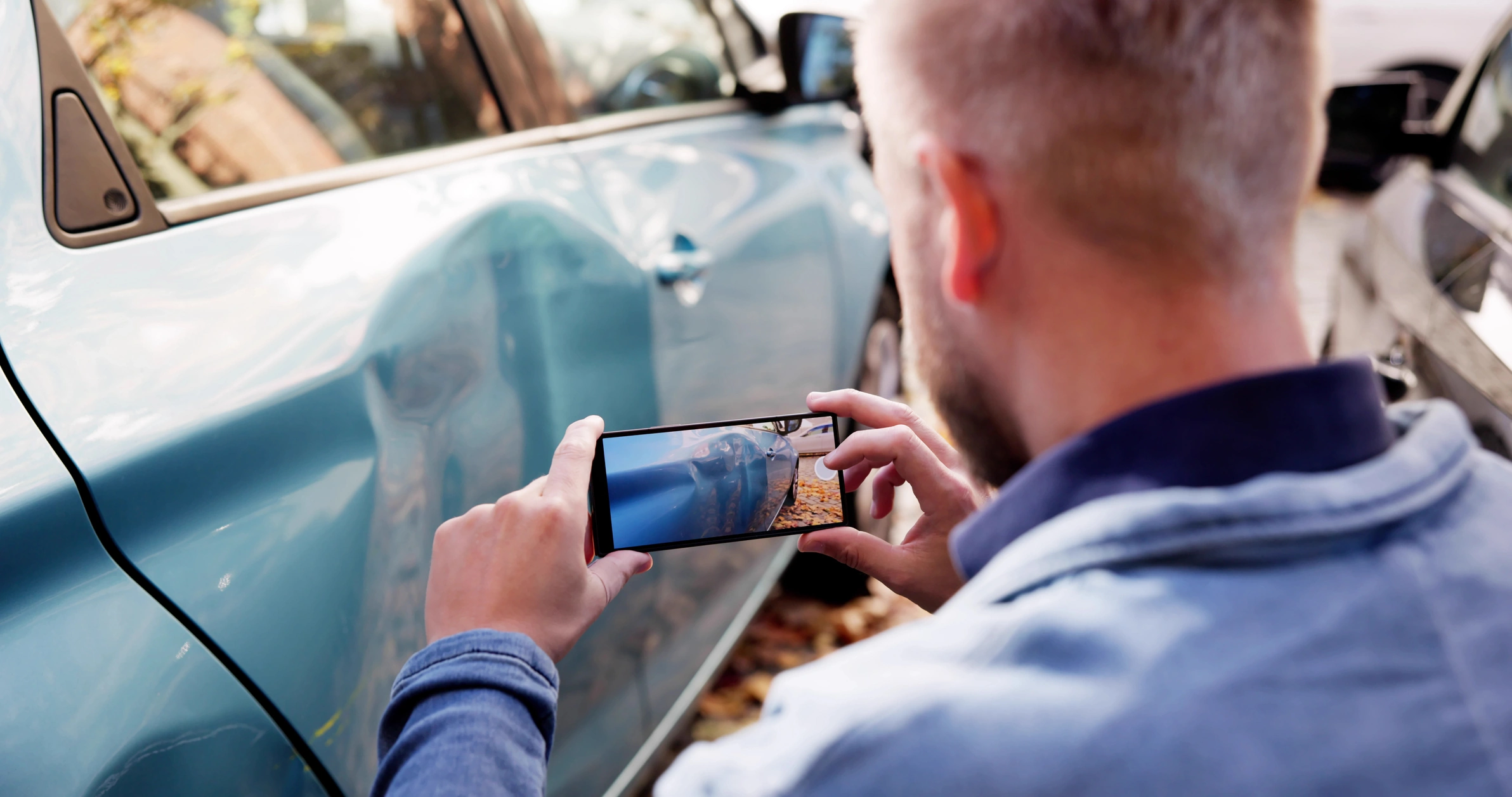
- Simple, visual updates (photos or short videos when possible)
- Quick options to reply (“Approve,” “Call me,” etc.)
Bottom line: If it’s not fast and easy, it doesn’t get read
Millennials: Digital, Convenient, and Speed-Driven (Ages 30-45)
Many Millennials are comfortable across digital channels and often prioritize speed and convenience above all else. Studies show they don’t have a strong preference for email vs messaging, but they do care about quick replies3.
They’re also more likely to value self-service options like checking status online rather than calling in.
What may work in a shop setting:
- Email summaries paired with real-time text alerts
- Online repair status tracking
- Clear timelines and proactive delay notifications
Bottom line: Keep it proactive and easy to check anytime
Gen X: Flexible and Efficiency-Focused (Ages 46-61)
Gen X sits in the middle. They can be comfortable with both digital and traditional communication. They often prefer email for efficiency but won’t hesitate to call if something feels unclear or urgent4.
They often value straightforward, no-nonsense communication that respects their time.
What may work in a shop setting:
- Detailed email updates with clear next steps
- Optional phone follow-ups for approvals or to explain complex repairs
- Consistent communication cadence (not too frequent, not too sparse)
Bottom line: Be consistent and straightforward
Baby Boomers: Personal, Clear, and Reassuring (Ages 62-80)
Boomers tend to value human interaction and clarity. Research consistently shows that they are more likely to prefer phone calls or in-person conversations over texting5.
They want to feel confident in the repair process and often appreciate more context and explanation.
What may work in a shop setting:
- Phone calls for major updates or delays
- Easy-to-understand explanations that avoids jargon
- Written follow-ups (email or printed) for reference
Bottom line: Don’t replace the human touch – support it
One Size Doesn’t Fit All
Across generations, one theme is clear: customers want communication that feels personal, timely, and relevant—but the channel and format matter.
Not every Gen Z wants texts. Not every Boomer wants a call. The best shops don’t assume – they ask and adapt:
- Ask how customers want updates and use tools like CCC® Engage to automate updates
- Stay proactive (don’t wait for them to call you)
- Consider adding a way to “book appointment” on your website
- Keep updates simple, clear, and timely
The result? Less time on the phone. More confident customers. Fewer “just checking in” calls. Dig in deeper around customer communications with our Run My Business series.